Rilis
Mendorong Nalar Kritis Pemilih Pemula

Published
12 years agoon
By
Mitra Wacana
Oleh Rindang Farihah
Setiap warga negara Indonesia mempunyai untuk hak dipilih dan memilih. Begitu pula dengan para pemuda yang dalam konteks ini biasa disebut sebagai pemilih pemula. Pemilih pemula ini berusia 17 tahun ke atas. Dalam pemilu 2014 terdaftar ada 186.612.255 pemilih dari jumlah tersebut 20-30% nya atau sekitar 60 juta adalah pemuda atau pemilih pemula.. Tentunya jumlah suara yang potensial untuk di bidik oleh partai politik.
Banyak kalangan menilai, pemilih pemula cenderung tidak mau menggunakan hak pilih nya dikarenakan mereka apatis terhadap situasi perpolitikan di Indonesia yang di warnai praktek korupsi, perempuan dan intrik. Di sisi lain karakter pemilih pemula yang rata-rata berusia remaja cenderung anti kemapanan, pro perubahan dan status quo. Namun disisi lainnya lagi, nilai positifnya mereka cenderung independen, mandiri tidak mau di setir sehingga jauh dari praktek money politik.
Namun pertanyaannya adalah, tugas siapa mendidik para pemilih pemula ini? Apakah KPU? ataukah Partai Politik? ataukah Sekolah? atau Orang Tua? Banyak informasi yang seharusnya diiperoleh mereka. Terkait apa itu PEMILU, tahapan-tahapan pemilu, partai-partai peserta pemilu, dsb. Para pemilih pemula ini harus faham betul tentang visi misi partai-partai peserta pemilu serta agenda kerja partai. Karena ini adalah pengalaman pertama mereka, jangan sampai sekedar memilih. Mereka berhak memperoleh informasi seluas-luasnya.
Pada dasar nya memberikan pendidikan politik kepada anak-anak kita adalah tugas bersama. KPU hanyalah lembaga khusus yang ditunjuk oleh negara sebagai penyelenggara PEMILU. Pendidikan politik tidak seharusnya diberikan ketika mendekati Pemilu. Pendidikan politik bisa diberikan setiap saat, bahkan oleh lembaga pendidikan, melalui mata pelajaran Pendidikan Kewarganegaraan (PKN). Bahkan sebenarnya kegiatan pemilihan ketua kelas, ketua OSIS di sekolah pun sebenarnya adalah kegiatan politik, sehingga bisa dijadikan pembelajaran politik oleh mereka.
Satu hal yang harus selalu ditekankan mengenai upaya penyadaran bagi pemilih pemula ini untuk menggunakan hak pilihnya adalah dengan mengingatkan manfaat dan kerugian ketika tidak menggunakan hak pilihnya, bahwa bagaimana pemilu ini nanti menentukan masa depan bangsa ini, karena terkait siapa yang akan memimpin negara ini dan kebijakan seperti apa yang diusulkan oleh anggota DPR, lalu kebijakan seperti apa dan pemimpin seperti apa yang di inginkan oleh mereka. Dengan penyadaran seperti ini harapannya mereka akan dengan penuh kesadaran dan kerelaan datang ke pos pemiliihan dan menggunakan hak pilihnya.
Terutama pemilih pemula perempuan, sangat penting buat mereka untuk menggunakan hak pilihnya, sebagai pihak yang selama ini rentan menjadi korban kekerasan, baik di wilayah domestik, publik juga kekerasan oleh negara. Bagaimana negara seringkali tidak hadir ketika mereka butuh perlindungan, juga banyak nya Perda Diskriminatif yang di syahkan di era Otonomi Daerah. Jadi, pilihlah caleg yang benar-benar mengerti kebutuhan perempuan dan bersedia memperjuangkan hak kalian.

You may like

Berita
Beri Jalan Ulama Perempuan dalam Keanggotaan AHWA di Muktamar 3
Published
3 days agoon
20 August 2026By
Mitra Wacana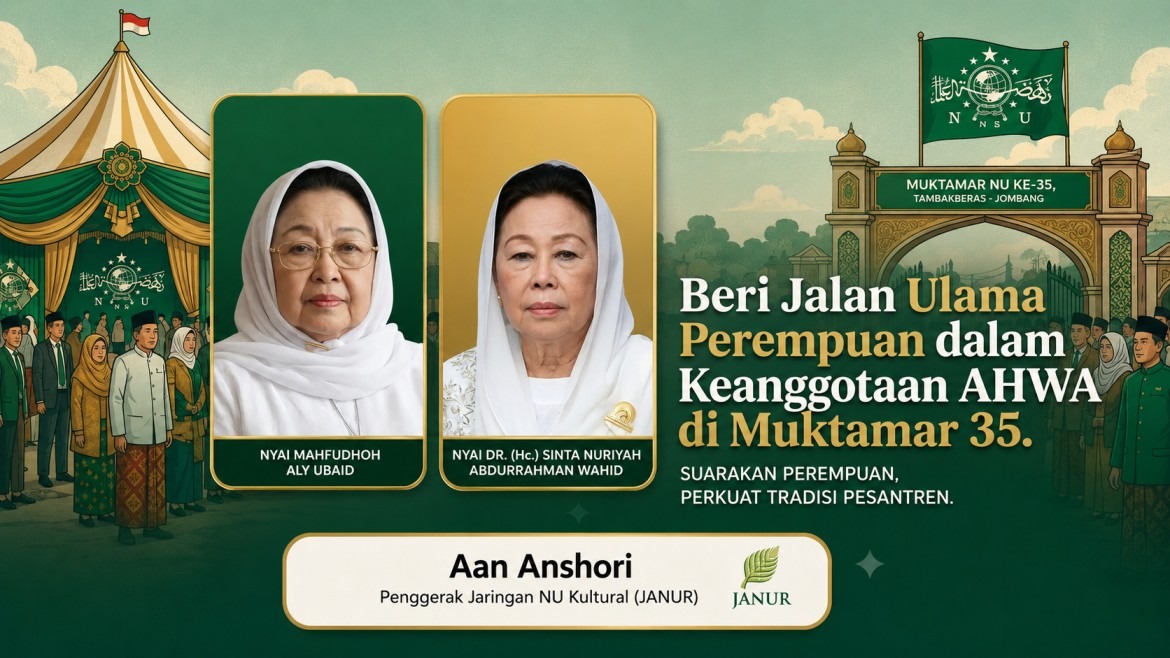
———-
Rilis Jaringan NU Kultural (JANUR)
*”Beri Jalan Ulama Perempuan dalam Keanggotaan AHWA di Muktamar 35″*
Muktamar ke-35 Nahdlatul Ulama di Tambakberas, Jombang, merupakan momentum terbaik untuk memberi ruang yang lebih luas bagi ulama perempuan dalam struktur pengambilan keputusan tertinggi organisasi.
Salah satu ruang tersebut adalah Ahlul Halli wal Aqdi (AHWA), forum yang memiliki posisi strategis, khususnya dalam menentukan kepemimpinan Rais Aam PBNU.
Sejak mekanisme AHWA digunakan dalam Muktamar NU 33, seluruh anggota AHWA yang terpilih adalah laki-laki. Kondisi ini layak dikaji kembali, terutama karena tidak terdapat ketentuan yang secara eksplisit menyatakan bahwa anggota AHWA harus laki-laki.
AHWA semestinya diisi berdasarkan kapasitas keilmuan, integritas, keteladanan, pengabdian, pengaruh, dan kemampuan menjaga kemaslahatan jam’iyah. Jika ukuran tersebut menjadi dasar, maka kesempatan bagi ulama perempuan untuk menjadi bagian dari sembilan anggota AHWA seharusnya terbuka.
Kita tahu NU memiliki tradisi panjang dalam melahirkan ulama perempuan. Mereka tidak hanya aktif dalam Muslimat NU, pesantren, pendidikan, dan pelayanan sosial, tetapi juga berkontribusi dalam pengembangan pemikiran keislaman dan kehidupan kebangsaan.
JANUR meyakini setidaknya ada dua ulama perempuan memiliki kualifikasi di atas.
Pertama, Nyai Dr. (Hc.) Sinta Nuriyah Abdurrahman Wahid; selama puluhan tahun beliau menyuarakan penghormatan terhadap martabat manusia, kesetaraan, dan kehidupan beragama yang inklusif. Pengabdiannya menunjukkan bahwa otoritas keagamaan dan moral perempuan telah menjadi bagian penting dari kehidupan NU dan masyarakat Indonesia. Beliau juga masuk dalam kepengurusan Musytasyar PBNU beberapa periode.
Kedua, Nyai Hj. Machfudhoh Aly Ubaid, ulama perempuan senior yang tumbuh dari tradisi pesantren dan keluarga besar pendiri NU. Putri KH Abdul Wahab Chasbullah ini memiliki pengalaman panjang dalam pendidikan pesantren dan perjuangan NU. Hingga hari ini beliau tetap menjadi rujukan penting di lingkungan NU dan juga tercatat sebagai Mustasyar PBNU.
Kedua tokoh tersebut menunjukkan bahwa NU memiliki sumber daya keulamaan perempuan yang tidak dapat dipandang sebagai pelengkap.
Memberi ruang kepada ulama perempuan dalam AHWA bukan semata-mata persoalan keterwakilan berdasarkan jenis kelamin. Ini merupakan bagian dari upaya memperluas perspektif keulamaan dalam pengambilan keputusan jam’iyah.
Kehadiran ulama perempuan dapat memperkaya pertimbangan keagamaan, sosial, pendidikan, keluarga, dan kemasyarakatan yang dihadapi NU.
Karena itu, Muktamar ke-35 NU di Tambakberas perlu membuka jalan bagi ulama perempuan untuk menjadi bagian dari sembilan anggota AHWA.
Jika kualifikasi AHWA ditentukan oleh ilmu, integritas, keteladanan, pengabdian, dan kemampuan menjaga kemaslahatan NU, maka ulama perempuan yang memenuhi kualifikasi tersebut semestinya mempunyai kesempatan yang sama.
Sudah waktunya NU tidak hanya berbicara tentang pentingnya peran ulama perempuan, tetapi juga memberikan ruang nyata kepada mereka dalam forum strategis pengambilan keputusan organisasi, termasuk dalam 9 anggota AHWA.
Jombang, 19 Agustus 2026.
Aan Anshori (089671597364)
Penggerak JANUR
Alumni Tambakberas (masuk 1988)