Rilis
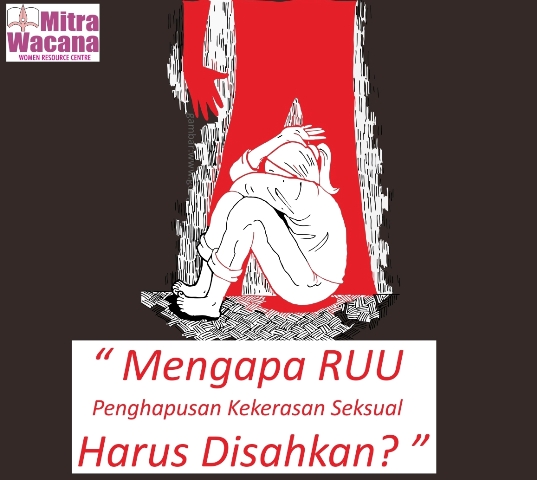
Mengapa RUU Penghapusan Kekerasan Seksual Harus Disahkan?
Published
9 years agoon
By
Mitra Wacana
Latar belakang
Pertengahan Mei tahun 2017, kasus pelecehan seksual terjadi di Bogor, Jawa Barat. Korbannya anak usia 4,5 tahun di sebuah sekolah TK oleh penjaga sekolah. Kasus ini mencuat setelah orangtua korban yang melaporkan kepada pihak berwajib diminta untuk berdamai. Padalah kekerasan seksual adalah kejahatan yang sangat serius.
Kasus kekerasan seksual setiap tahun terus meningkat. Komnas perempuan dalam catatan akhir tahun menyebutkan bahwa kekerasan seksual di ranah KDRT/personal tahun ini, perkosaan menempati posisi tertinggi sebanyak 1.389 kasus , diikuti pencabulan sebanyak 1.266 kasus. Di tahun ini data perkosaan dalam perkawinan sebanyak 135 kasus dan menemukan bahwa pelaku kekerasan seksual tertinggi di ranah KDRT/personal adalah pacar sebanyak 2.017 orang. Adapun Kekerasan di ranah komunitas mencapai angka 3.092 kasus (22%), di mana kekerasan seksual menempati peringkat pertama sebanyak 2.290 kasus (74%), diikuti kekerasan fisik 490 kasus (16%) dan kekerasan lain di bawah angka 10%; yaitu kekerasan psikis 83 kasus (3%), buruh migran 90 kasus (3%); dan trafiking 139 kasus (4%). Jenis kekerasan yang paling banyak pada kekerasan seksual di ranah komunitas adalah perkosaan (1.036 kasus) dan pencabulan (838 kasus).
Mitra Wacana WRC adalah lembaga yang juga bekerja untuk penghapusan kekerasan seksual pada anak di wilayah Banjarnegara. Kerja yang dilakukan adalah mendidik perempuan dan anak untuk ikut aktif melakukan pencegahan kekerasasan seksual melalui Desa. temuan terkahir di tahun 2016 sebanyak 36 kasus kekerasan seksual di Banjarnegara, Jawa Tengah.
Kekerasan seksual sangat berdampak buruk bagi korban untuk seumur hidupnya. Kerugian korban menyangkut masa depan. Beberapa kebijakan yang ada tentang kekerasan seksual seperti KUHP belum memberikan rasa keadilan bagi korban, selain kebijakan hanya mengurusi pelaku dan masih mengabaikan pihak korban.
Pelayanan untuk korban kekerasan selama ini juga belum maksimal. Lembaga layanan yang disediakan pemerintah seperti P2TP2A di setiap Kabupaten belum memiliki anggaran yang memadai. Pemeriksaan oleh pihak berwenang meskipun sudah ada unit PPA, namun masih menggunakan KUHP sebagai acuan dalam penanganan kasus kekerasan seksual.
Kesadaran tentang penting hadirnya sebuah kebijakan yang mengatur tentang penghapusan kekerasan seksual sangat mendesak. Keresahan ini melahirkan inisiatif untuk mengahdirkan RUU Penghapusan Kekerasan Seksual yang saat ini menunggu pengesahan. Untuk itulah Mitra Wacana WRC bermaskud menyelenggrakan diskusi.
Tujuan
1. Sosialisasi penting adanya Undang-undang Penghapusan Kekerasan Seksual
2. Adanya penjelasan tentang inisiatif dan proses penyusunan RUU Pengkapusan Kekerasan seksual
3. Sosialisasi materi yang dimuat dalam RUU Penghapusan Kekerasan Seksual
4. Mendiskusikan tentang kekuatan dan kelemahan RUU PKS
Narasumber
1. Wariyatun, S.H
2. Eka Septi Wulandari, S.H
Pelaksanaan
Hari/tanggal : Selasa, 17 Oktober 2017
Tempat : Mitra Wacana WRC Gedongan Baru RT 06/RW 43 Pelem Wulung No.42 Banguntapan Bantul, DIY 55198
Waktu : Pukul 13.00 s.d 15.00
You may like


Dilruba Tarfan
Interns from HAN University, Dutch
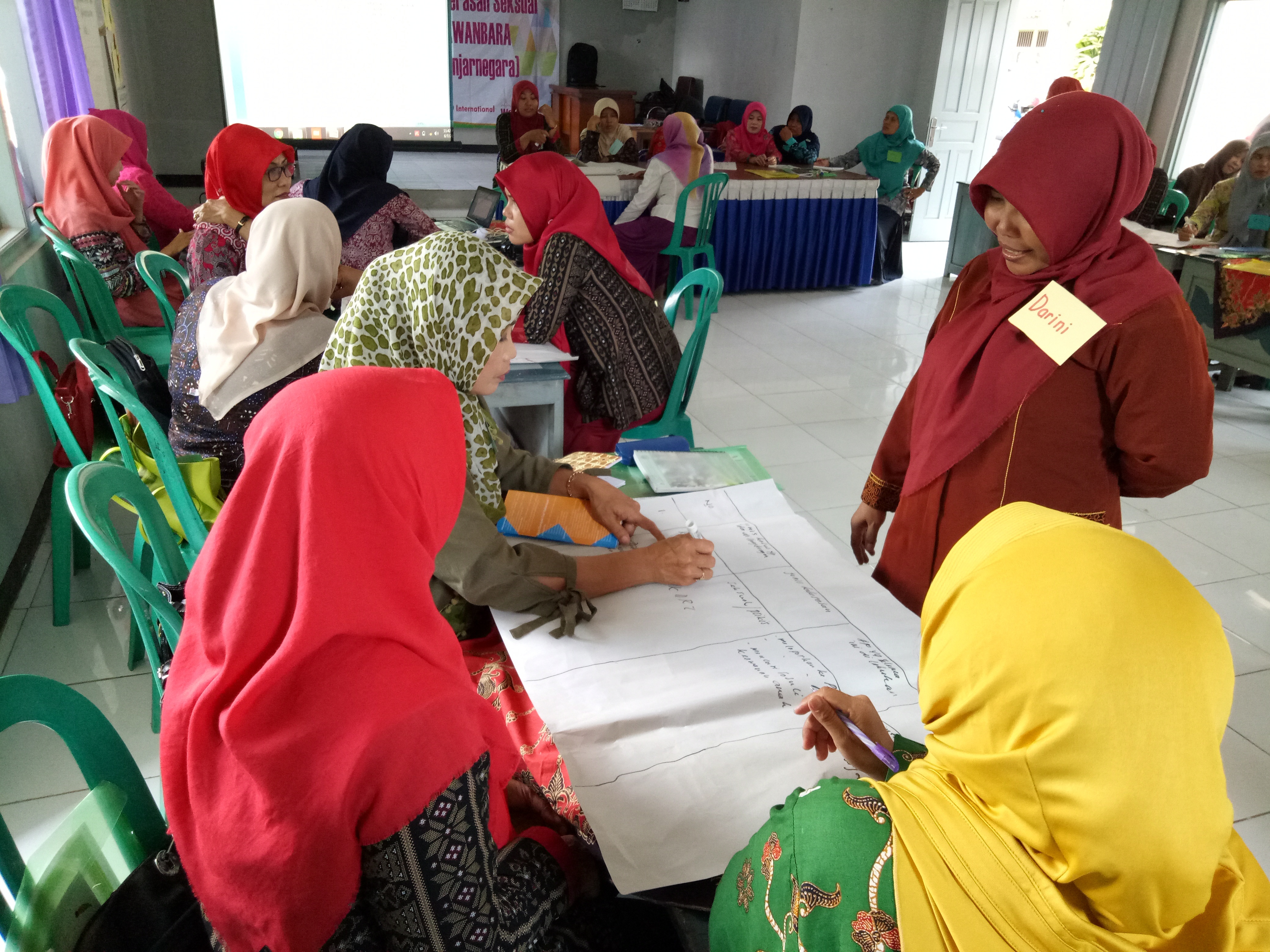
Rural area in Jogja, Salamrejo village, we have conducted women empowerment awareness, setting boundaries and yoga session for women group P3A Rengganis from Salamrejo village, P3A Srikandi from Sentolo village, and P3A Putri Arimbi from Demangrejo village.
Women’s ability to express their needs and set personal boundaries is closely influenced by cultural values such as being quiet or not asking too many questions is shown as respect, and not causing a problem. These norms can make direct communication of personal limits challenging, particularly in family or community settings where maintaining good relationships is highly valued.
In our work, as Mitra Wacana we aim to be guided by the voices and lived experiences of the women we engage with. Since our activities are directed towards them, it is essential that
their input shapes the way we design and deliver our sessions. When women face challenges, our intention is to support them in recognising and addressing these in a safe and respectful way.

Many women initially experience speaking up as something associated with fear, judgement, or being perceived as disrespectful. There is often a belief that confidence is a prerequisite for expression, and that needs should only be communicated once a certain level of confidence has already been achieved. In addition, expressing personal needs may sometimes be associated with conflict or tension, which can further discourage open communication.
Fear of speaking up is a human response rather than a sign of weakness. Confidence does not need to exist before expression; instead, it can develop gradually through the act of speaking and being heard. In this sense, speaking up becomes not a confrontation, but a respectful way of sharing needs, experiences, and boundaries.
Reframing communication in this way supports a more empowering understanding of voice and agency. It encourages the idea that authenticity and self-expression can coexist with respect for others, and that empowerment is built progressively through practice, awareness, and supportive environments.
Communication is shaped by social expectations, the culture and what kind of family they have grew up in. understanding these cultural and structural factors is important when designing empowerment or educations sessions.
Women’s voice matter, as an organization we want to see more women talking about their needs and putting their opinions. Since our work is directed towards them, we want to be guided by their input and experiences. If they are facing challenges, we want to support them in addressing these issues. However, we recognise that they may have difficulties communicating these needs, which is why we aim to increase awareness and provide education around these topics. We as Mitra Wacana have conducted workshop about women empowerment and boundaries. We also combined this approach with yoga as a supportive and accessible way to create space for reflection, awareness, and empowerment.
Understanding Boundaries
One of the key topics we explored was boundary setting a vital part of self-care and healthy relationships. Many women face challenges in expressing their needs due to cultural and societal expectations. We have conducted a workshop for women and have discussed about situations with the women in the village. Sometimes they forget their own voice and not be able to talk about their needs. We discussed strategies to identify personal values, articulate needs clearly, and practice saying no when necessary. Emphasizing boundaries helps women gain confidence and improves their ability to navigate both personal and professional relationships.
How can you set these boundaries?
Identify Your Needs and Limits
Reflect on what makes you feel safe, respected, and comfortable in different areas of life family, community, work, and personal time. Awareness of your own needs is the first step to expressing them.
Start Small
Begin by asserting limits in low-risk situations, such as requesting personal space, expressing a preference, or politely declining minor requests. Gradually, confidence builds for larger or more challenging situations. You can also write these down and helps you become more aware and reflective while writing and changes the way your brain processes or learns new patterns.
Use Clear and Respectful Communication
Practice stating your limits directly and calmly, without blaming or attacking others. For example: “I need some quiet time right now” or “I am not comfortable discussing this topic.”
Combine Words with Actions
Boundaries are reinforced by consistent actions. If you set a limit, follow through respectfully to demonstrate that your boundaries are important. Its important how you use your voice
while saying it.
Seek Support and Safe Spaces
Share your experiences with trusted friends, community groups, or facilitators. Programs like workshops and yoga sessions can provide safe environments to practice boundary-setting and receive feedback.
Reflect and Adjust
After asserting a boundary, reflect on how it felt and how others responded. Adjust your approach if necessary, maintaining both self-respect and relationship awareness.
We conducted a joyful yoga session at the final part, we asked them a reflective question: “What is one thing you could do to be kinder to yourself?” It is important for women to prioritise their own needs first, because when children observe their mothers taking care of themselves, they learn to value self-care as well.
Moreover, the women should remember that by using their voices, they are inspiring others. When one woman speaks up, she speaks not only for herself but also for other women, creating a ripple effect of empowerment. This collective expression is where we believe real change begins.

Krisis Kesantunan Berbahasa dalam Hate Comment pada Kolom Komentar Instagram @ahmaddhaniofficial

Mandi Untuk Menjaga Atau Merusak Skin Barrier? Evaluasi Dan Jaga Skin Barrier