Rilis
Saya Menyukai Kegiatan yang Melibatkan Masyarakat

Published
10 years agoon
By
Mitra Wacana
Mitra Wacana WRC dikelola oleh para pegiat yang bekerja untuk isu perempuan dan hak-hak anak. Mereka bekerja di tingkat akar rumput untuk memperkuat hak-hak perempuan dan anak-anak di Indonesia. Selama seri Mitra Chatting, saya akan mewawancarai masing-masing pegiat, dan berbagi cerita dan opini mereka dengan sobat kami, terutama di media sosial (#sobatmitrawacana).
Hari ini, Senin (13 Juni 2016), saya mengobrol dengan salah satu pendamping komunitas Mitra Wacana, Muhammad Mansur. Berikut ini adalah petikan wawancara yang kami lakukan.
Sophia: Terima kasih untuk bergabung dengan saya. Perkenalkan diri Anda.
Mansur: Nama saya Muhammad Mansur, biasanya teman-teman saya memanggil saya Mansur. Posisi saya di Mitra Wacana adalah sebagai organizer masyarakat koordinasi (CO), di Kabupaten Banjarnegara.
Saya telah bekerja sebagai CO selama hampir dua tahun, dan saya telah ditunjuk sebagai koordinator bulan ini untuk terlibat dalam merumuskan program.
Sophia: Apa yang mengilhami Anda untuk menjadi seorang pegiat di Mitra Wacana?
Mansur: Ketika masih menjadi mahasiswa di universitas, saya benar-benar menikmati kegiatan masyarakat, terutama kegiatan yang melibatkan masyarakat. Jadi saya merasa ini adalah pakaian gaya saya. Sebagai mahasiswa, saya aktif di beberapa organisasi termasuk organisasi pers mahasiswa dan juga pergerakan mahasiswa Islam Indonesia (PMII). Hal tersebut semakin mendorong saya untuk bekerja bersama masyarakat, terutama di tingkat akar rumput.
Sophia: Salah satu kunci isu di Mitra Wacana adalah tentang gender (kesetaraan gender). Anda dapat menjelaskan apa artinya bagi Anda?
Mansur: Di Banjarnegara, kami juga mendidik masyarakat tentang kesetaraan gender. Ini berarti pembagian yang sama dari peran antara perempuan dan laki-laki, dalam kehidupan baik publik maupun rumah tangga (domestik). Mereka harus berbagi pekerjaan, ada perubahan bertahap yang dibuat antara perempuan dan laki-laki. Kami mengajak mereka untuk memahami gender dalam peningkatan kapasitas.
Sophia: Apakah program Mitra Wacana di Banjarnegara?
Mansur: Fokus kami, sejak tahun pertama adalah tentang penguatan komunitas untuk melakukan pencegahan kekerasan seksual terhadap anak di Banjarnegara, karena di Banjarnegara angka kekerasan seksual relatif tinggi. Kegiatan kami yaitu melakukan penguatan masyarakat, bekerja sama dengan kelompok sasaran di sana, dan bersama masyarakat membantu korban kekerasan seksual. Saya bekerja di sebuah desa Berta, kecamatan Susukan. Ini daerah perbukitan, dan ada beberapa kasus kekerasan seksual. Salah satu kasus yang terjadi tahun lalu pada tahun 2015 adalah kasus pelecehan seksual yang dilakukan oleh oknum oleh guru di sebuah sekolah dasar terhadap siswa. Hal ini terjadi di desa. Ada juga kekerasan dalam rumah tangga (domestic violence). Oleh karena itu, masih banyak pekerjaan yang harus dilakukan di sana; perlu meningkatkan pengetahuan masyarakat tentang isu-isu tersebut .
Sophia: Jadi bagaimana LSM dan pemerintah dapat membantu anak-anak dan korban kekerasan seksual?
Mansur: Kami [LSM] membutuhkan masyarakat dan pemerintah desa untuk selalu bekerja sama. Kami telah bekerja dengan masyarakat untuk membentuk kelompok yang disebut P3A (Pusat Pembelajaran Perempuan dan Anak) yaitu keberadaan kelompok ini sebagai Pusat Belajar untuk Perempuan dan Anak). Fungsi mereka adalah untuk melakukan konseling kepada korban kekerasan, termasuk perempuan dan anak-anak.
Selain itu, untuk bagian pemerintah, kami telah menjalin kerjasama di desa, kecamatan dan kabupaten. Di tingkat desa, kami bekerja sama dengan pemerintah desa untuk melakukan pendampingan beberapa kasus [kekerasan seksual]. Di tingkat kecamatan, kami bekerja dengan sebuah organisasi bernama PTT (Pusat Pelayanan Terpadu atau Integrated Pusat Service). Di tingkat kabupaten, kami bekerja P2TP2A (Pusat Pelayanan Terpadu Pemberdayaan Perempuan dan Anak) yang di dalamnya ada sebuah unit dari kepolisian, yaitu unit Perlindungan Perempuan dan Anak (PPA) ditingkat kabupaten.
Sophia: Terima kasih banyak untuk berbagi pandangan dan pengalaman dengan saya hari ini Mansur.

You may like
Berita
Bioskop Rakyat Fest #03 Sukses Digelar di Demangrejo: Padukan Seni Budaya, Kampanye Anti-Perdagangan Orang, dan Pemberdayaan Desa
Published
2 days agoon
24 August 2026By
Mitra Wacana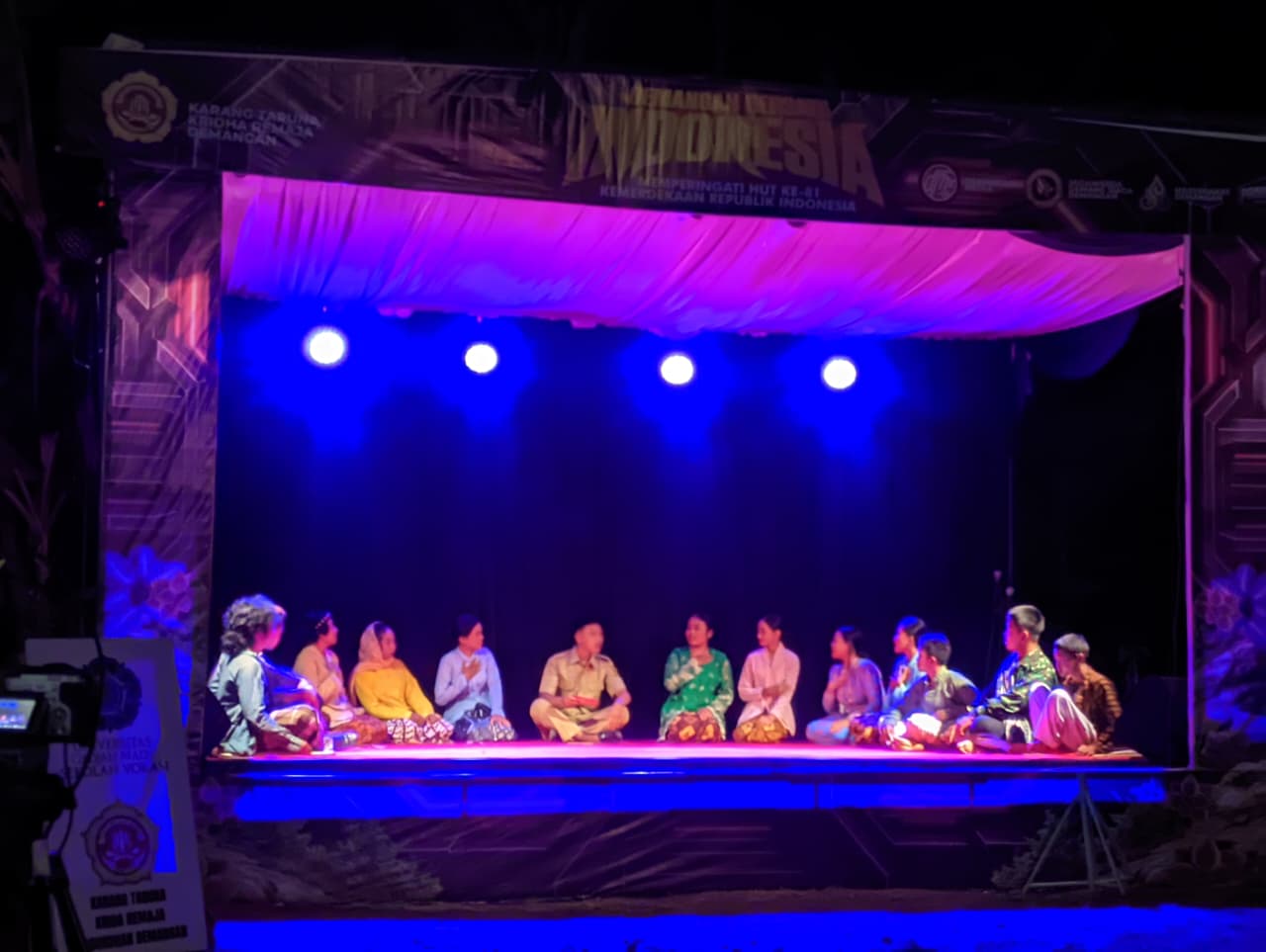
KULON PROGO, 22 AGUSTUS 2026 – Padukuhan Demangan, Kalurahan Demangrejo, Kapanewon Sentolo, Kabupaten Kulon Progo, kembali sukses menggelar perhelatan akbar tahunan Bioskop Rakyat Fest #03 pada Sabtu, 22 Agustus 2026. Mengusung tema Demangan Bersatu Indonesia: Bioskop Rakyat Fest #03 Sinergi Desa Kolaborasi & Karya dari Karang Taruna, Akademisi, dan Organisasi Masyarakat Sipil. Festival ini menjadi ajang unjuk kreativitas warga sekaligus wahana edukasi yang kuat mengenai pencegahan Tindak Pidana Perdagangan Orang (TPPO) dan Semangat Nasionalisme dalam rangkaian Kemerdekaan RI ke-81.
Acara yang dipusatkan di halaman rumah Dukuh Demangan, Bapak Heriyanto, ini diselenggarakan oleh Karang Taruna Krida Remaja dan Demangan Media Channel (DMC), yang berkolaborasi erat dengan Program Pengabdian Masyarakat Sekolah Vokasi Universitas Gadjah Mada (UGM) dan lembaga swadaya masyarakat Mitra Wacana.
Dari Panggung Hiburan hingga Pesan Moral Kemanusiaan Bioskop Rakyat Fest #03 menghadirkan beragam rangkaian acara lintas generasi yang sangat menghibur, mulai dari penampilan Tari Semut oleh anak-anak TK dan PAUD, Tari Perahu Layar, hingga aksi panggung “Nyentrik Demangan Squad” yang dibawakan oleh ibu-ibu Padukuhan Demangan.
Puncak kesenian malam itu adalah pementasan drama teater bertajuk “Surat Soko Tahun 2045” garapan Wulan Karangtaruna Krida Remaja Padukuhan Demangan sekaligus Mahasiswi ISI Yogyakarta. Drama ini sukses memukau dan menyentuh hati penonton dengan pesan mendalam tentang pentingnya menjaga semangat gotong royong, guyub rukun, dan kepedulian antarwarga di tengah arus modernisasi dan individualisme yang semakin deras. Yang dibawakan pemuda-pemudi karang taruna Demangan dengan koreografi, visual dan tata suara profesional.
Kampanye “Menungso Ora Didol” (Manusia Tidak Untuk Dijual) Lebih dari sekadar hiburan, Bioskop Rakyat Fest #03 menjadi medium strategis penyampaian edukasi masyarakat. Bekerja sama dengan Mitra Wacana, panitia memutar karya film lokal dari Demangan Media (DMC) yang mengangkat isu toleransi dan pencegahan perdagangan orang bagi calon pekerja migran.
Robi Setiyawan, perwakilan dari Mitra Wacana dalam sambutannya menekankan pentingnya kewaspadaan masyarakat terhadap iming-iming lowongan kerja ke luar negeri dengan gaji fantastis. “Program kita adalah pencegahan perdagangan orang, supaya anak-anak muda kita terhindar dari penipuan calo lowongan kerja ilegal. Intinya, menungso ora didol (manusia tidak untuk dijual). Jika ada tawaran pekerjaan ke luar negeri, pastikan untuk mengecek legalitasnya ke kelurahan atau Pak Jogoboyo terlebih dahulu, jangan berangkat secara unprosedural,” tegas Robi.
Sinergi dan Kemandirian Desa Penggagas Bioskop Rakyat Fest #03, Aji Saputra sekaligus Jogoboyo Kalurahan Demangrejo, dalam sambutannya menyampaikan apresiasi setinggi-tingginya kepada seluruh pihak yang telah mendukung jalannya acara. “Terima kasih kepada Sekolah Vokasi Universitas Gadjah Mada dan Mitra Wacana yang terus mendukung dan mendampingi, serta seluruh warga Padukuhan Demangan. Harapan kami, melalui ajang ini, pemuda-pemudi Demangan dapat terus berprestasi dan membawa hal positif bagi desa kita,” ujarnya.
Ajang ini juga menjadi bukti keberhasilan pendampingan Sekolah Vokasi UGM dalam mengedukasi warga terkait manajemen acara (event management) dan pemasaran UMKM. Sepanjang acara, berbagai stand UMKM lokal Demangan turut meramaikan panggung dan menghidupkan roda ekonomi warga, menjadikan Bioskop Rakyat ini sepenuhnya mandiri dan berdaya.
Menutup kemeriahan malam, Bioskop Rakyat Fest #03 memberikan kejutan inovatif berupa suguhan musik pamungkas dari DJ VWXYZ dan DJ Sastro (Sastrologi). Suguhan ini membuktikan bahwa kreativitas dan acara tingkat dusun mampu dikemas secara profesional, kreatif, dan kekinian.