Publikasi
Mitra Wacana Hadir untuk Pendidikan: Upaya Pendampingan Anak Putus Sekolah di Kalirejo

Published
2 months agoon
By
Mitra Wacana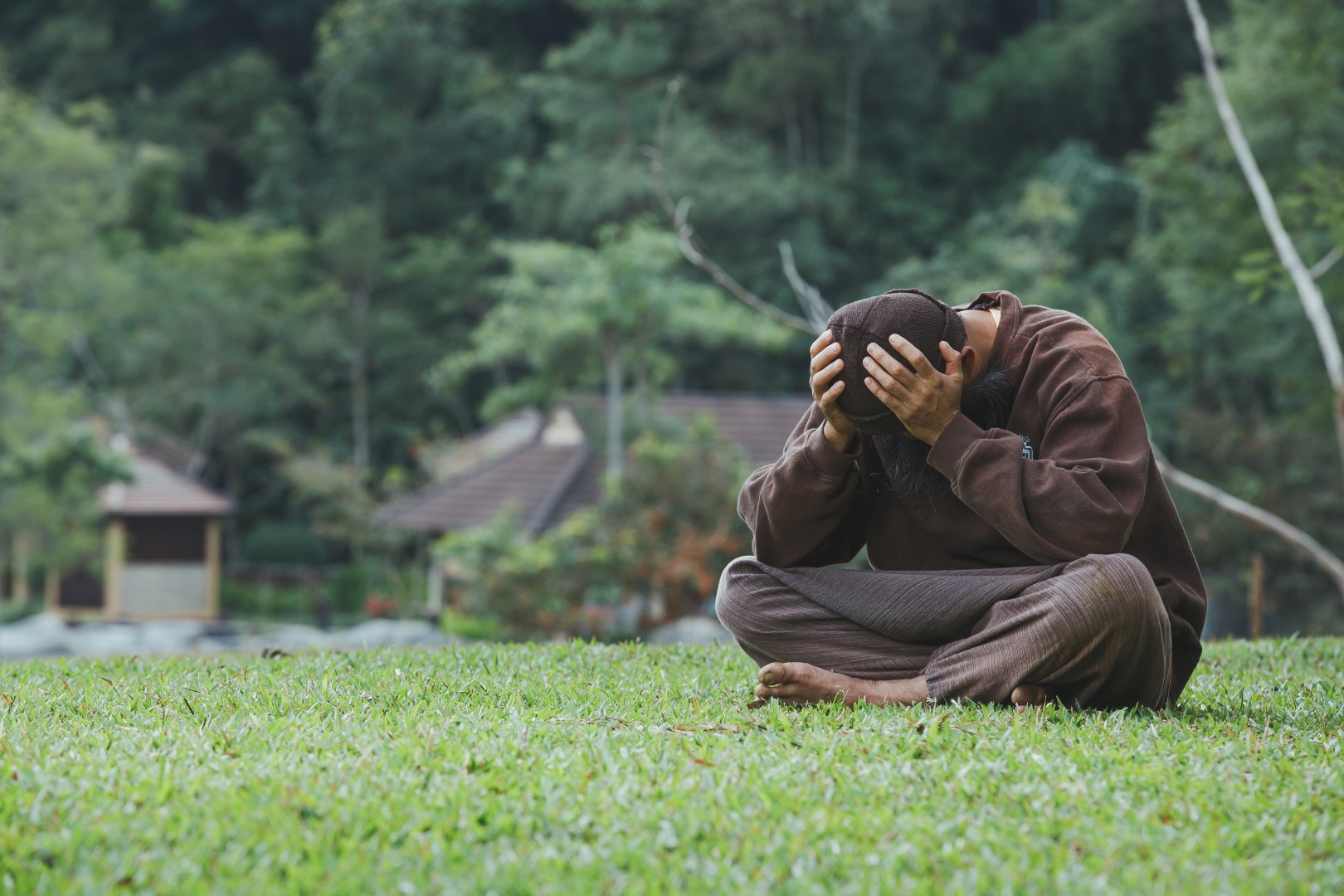
Kamis, 17 Juni 2026, Tim Mitra Wacana bekerja sama dengan Pemerintah Kelurahan Kalirejo terus bergerak untuk mewujudkan program Desa Ramah Perempuan Peduli Anak. Salah satu target utamanya adalah mewujudkan nol angka anak putus sekolah di Kalurahan Kalirejo. Hal ini sesuai dengan salah satu indikator dari program yang ada di kalurahan yaitu Kalurahan Ramah Perempuan dan Peduli Anak.
Pada kunjungan kedua ini, tim kembali menyasar dua anak yang putus sekolah beserta keluarganya yang berada di padukuhan Plampang. Sebelumnya pada minggu lalu, tim juga telah mengunjungi dua anak dari dua keluarga yang berbeda. Dengan demikian, total sudah empat anak yang berhasil diwawancarai dan didampingi, sementara sisanya masih ada lima anak lagi yang masuk dalam daftar untuk kunjungan berikutnya.
Dari kunjungan terbaru ini, tim menemukan bahwa alasan anak putus sekolah sangat kompleks dan membutuhkan pendekatan yang berbeda-beda. Berikut adalah potret dari dua kasus yang ditemui:
- Kasus V: Kehilangan Motivasi dan Kendala Jarak.
Kunjungan pertama dilakukan ke rumah V, seorang remaja yang sudah putus sekolah selama satu semester (enam bulan). Awalnya, V beralasan bahwa ia berhenti sekolah dari SMA lamanya karena sekadar “malas”. Namun, dari obrolan bersama sang ibu, Bu W, terungkap bahwa V sebenarnya tidak cocok dengan lingkungan SMA tersebut dan memendam keinginan untuk masuk ke SMK jurusan Otomotif. Sebelumnya, keinginan ini sempat mandek karena ketidakyakinan akan dukungan dan jarak.
Tim Mitra Wacana kemudian memberikan edukasi yang menyentuh realitas. Tim memotivasi V dengan memberikan gambaran tentang betapa rentannya posisi dirinya 5 tahun ke depan jika ia harus bersaing di dunia kerja dengan hanya bermodalkan ijazah SMP. Pendekatan ini berhasil menyadarkan V. Ia akhirnya berkomitmen penuh untuk kembali bersekolah dan menuntaskannya di SMK Otomotif. Bu W pun memberikan restu, dan tim bersama aparat desa siap membantu mengurus proses administrasi pendaftarannya dari awal agar V bisa diterima di SMK.
- Kasus E: Trauma Perundungan dan Kurangnya Kesadaran Kesehatan Mental.
Kasus kedua menimpa E, siswa kelas 10 di sebuah SMK. Berbeda dengan V, E terpaksa berhenti sekolah karena berjuang melawan gangguan kecemasan (anxiety) yang berlebihan dan gejala psikosomatis, di mana ia merasa gemetar dan ketakutan hebat saat berada di keramaian atau dihadapkan pada kerja kelompok dengan orang baru. Ketakutan ini berakar dari trauma masa lalu, di mana E pernah menjadi korban perundungan (bullying) dan ancaman sejak kelas 1 SD hingga 8 SMP.
Masalah E menjadi semakin berat karena kurangnya pemahaman pihak sekolah terkait kesehatan mental. Walaupun E rutin berobat ke psikiater di rumah sakit, kepala sekolahnya justru mencurigai E memanipulasi keadaan dan hanya berpura-pura sakit agar dibelikan handphone. Hal ini membuat E sedih dan ragu untuk kembali ke sekolah.
Tim Mitra Wacana yang mendampingi, memberikan afirmasi bahwa apa yang dialami E adalah kondisi medis yang nyata dan bisa dikontrol. Tim memotivasi E untuk melanjutkan kembali pengobatannya—baik melalui RSUD maupun layanan psikolog gratis dari Dinas Sosial—serta berjanji akan berkomunikasi dengan pihak sekolah untuk memberikan pemahaman sehingga lingkungan belajar menjadi lebih ramah bagi kondisi mental E.
Kesimpulan Kunjungan langsung ke rumah-rumah warga ini membuktikan bahwa menyelamatkan hak pendidikan anak tidak bisa hanya dengan menyuruh mereka kembali ke bangku sekolah. Dibutuhkan pendampingan psikologis, komitmen orang tua, serta edukasi kepada masyarakat dan pihak pendidik di sekolah. Kondisi anak dan keluarga yang beragam ini juga membutuhkan kerjasama dan langkah kolaborasi dari seluruh pihak terkait seperti Dinas Sosial, Pemerintah Kalurahan, dan Balai Dikmen Kabupaten Kulonprogo.
Alfi Ramadhani (Divisi Pendidikan dan Pengorganisasian Masyarakat Mitra Wacana)

You may like



Berita
Beri Jalan Ulama Perempuan dalam Keanggotaan AHWA di Muktamar 3
Published
3 days agoon
20 August 2026By
Mitra Wacana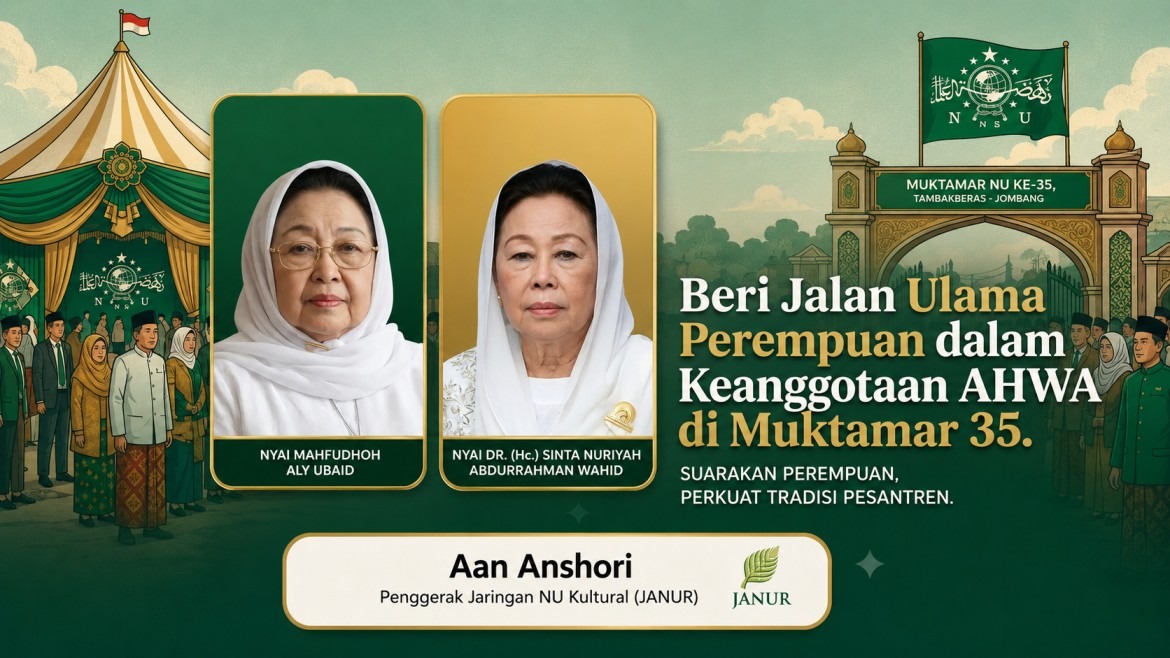
———-
Rilis Jaringan NU Kultural (JANUR)
*”Beri Jalan Ulama Perempuan dalam Keanggotaan AHWA di Muktamar 35″*
Muktamar ke-35 Nahdlatul Ulama di Tambakberas, Jombang, merupakan momentum terbaik untuk memberi ruang yang lebih luas bagi ulama perempuan dalam struktur pengambilan keputusan tertinggi organisasi.
Salah satu ruang tersebut adalah Ahlul Halli wal Aqdi (AHWA), forum yang memiliki posisi strategis, khususnya dalam menentukan kepemimpinan Rais Aam PBNU.
Sejak mekanisme AHWA digunakan dalam Muktamar NU 33, seluruh anggota AHWA yang terpilih adalah laki-laki. Kondisi ini layak dikaji kembali, terutama karena tidak terdapat ketentuan yang secara eksplisit menyatakan bahwa anggota AHWA harus laki-laki.
AHWA semestinya diisi berdasarkan kapasitas keilmuan, integritas, keteladanan, pengabdian, pengaruh, dan kemampuan menjaga kemaslahatan jam’iyah. Jika ukuran tersebut menjadi dasar, maka kesempatan bagi ulama perempuan untuk menjadi bagian dari sembilan anggota AHWA seharusnya terbuka.
Kita tahu NU memiliki tradisi panjang dalam melahirkan ulama perempuan. Mereka tidak hanya aktif dalam Muslimat NU, pesantren, pendidikan, dan pelayanan sosial, tetapi juga berkontribusi dalam pengembangan pemikiran keislaman dan kehidupan kebangsaan.
JANUR meyakini setidaknya ada dua ulama perempuan memiliki kualifikasi di atas.
Pertama, Nyai Dr. (Hc.) Sinta Nuriyah Abdurrahman Wahid; selama puluhan tahun beliau menyuarakan penghormatan terhadap martabat manusia, kesetaraan, dan kehidupan beragama yang inklusif. Pengabdiannya menunjukkan bahwa otoritas keagamaan dan moral perempuan telah menjadi bagian penting dari kehidupan NU dan masyarakat Indonesia. Beliau juga masuk dalam kepengurusan Musytasyar PBNU beberapa periode.
Kedua, Nyai Hj. Machfudhoh Aly Ubaid, ulama perempuan senior yang tumbuh dari tradisi pesantren dan keluarga besar pendiri NU. Putri KH Abdul Wahab Chasbullah ini memiliki pengalaman panjang dalam pendidikan pesantren dan perjuangan NU. Hingga hari ini beliau tetap menjadi rujukan penting di lingkungan NU dan juga tercatat sebagai Mustasyar PBNU.
Kedua tokoh tersebut menunjukkan bahwa NU memiliki sumber daya keulamaan perempuan yang tidak dapat dipandang sebagai pelengkap.
Memberi ruang kepada ulama perempuan dalam AHWA bukan semata-mata persoalan keterwakilan berdasarkan jenis kelamin. Ini merupakan bagian dari upaya memperluas perspektif keulamaan dalam pengambilan keputusan jam’iyah.
Kehadiran ulama perempuan dapat memperkaya pertimbangan keagamaan, sosial, pendidikan, keluarga, dan kemasyarakatan yang dihadapi NU.
Karena itu, Muktamar ke-35 NU di Tambakberas perlu membuka jalan bagi ulama perempuan untuk menjadi bagian dari sembilan anggota AHWA.
Jika kualifikasi AHWA ditentukan oleh ilmu, integritas, keteladanan, pengabdian, dan kemampuan menjaga kemaslahatan NU, maka ulama perempuan yang memenuhi kualifikasi tersebut semestinya mempunyai kesempatan yang sama.
Sudah waktunya NU tidak hanya berbicara tentang pentingnya peran ulama perempuan, tetapi juga memberikan ruang nyata kepada mereka dalam forum strategis pengambilan keputusan organisasi, termasuk dalam 9 anggota AHWA.
Jombang, 19 Agustus 2026.
Aan Anshori (089671597364)
Penggerak JANUR
Alumni Tambakberas (masuk 1988)