web analytics
Connect with us

Publikasi

PERLINDUNGAN TERHADAP PEREMPUAN DAN ANAK PERLU PERHATIAN LEBIH

Published

on

Muhammad Mansur

Adanya dugaan menjadi korban Tindak Pidana Perdagangan Orang (TPPO) dan eksploitasi anak menjadi bahan diskusi gelar kasus yang di adakan di Balai Perlindungan Perempuan dan Anak DIY ( Kamis/9/2/2023).

Mitra wacana diwakili Muazim manager program pencegahan TPPO diminta menjadi pemantik diskusi. Tujuan dari diadakannya diskusi gelar kasus ini untuk menemukan cara efektif dalam penanganan kasus tersebut. Dalam pemaparannya Muazim menyampaikan bahwa dalam kasus yang sekarang ditangani ini terindikasi kuat mengarah kepada TPPO dan ekploitasi seksual anak.

Dalam penanganan kasus TPPO harus memenuhi 3 unsur yaitu proses, cara, dan tujuan. Akan tetapi khusus kasus TPPO yang melibatkan anak unsur cara tidak menjadi salah satu syaratnya sebagai alat bukti.

Dalam diskusi ini, ditemukan bahwa maraknya eksploitasi seksual kepada anak imbas negatif dari penggunaan medsos. Banyak modus pelaku yang menyasar korbannya menggunakan media sosial.

Selain itu akibat kurang bijaknya penggunaan media sosial, permasalahan ini juga di akibatkan karena belum ada komitmen bersama yang mengikat antara pelaku usaha hiburan dan perhotelan untuk melakukan filter

terhadap pengguna jasa mereka yang masih berusia anak.

Dalam diskusi ini ada hipotesis bahwa maraknya kasus kekerasan terhadap perempuan dan anak karena masih minimnya sumber daya yang di alokasikan dalam proses pencegahan dan penanganan kasus. Jumlah kasus yang mampu ditangani terbatas sedangkan laporan kasus semakin meningkat.


Continue Reading
Click to comment

Leave a Reply

Opini

Physical & Emotional Intimacy in Healthy Relationships

Published

on

Sumber foto: Freepik

Sexual health also includes healthy respectful relationships and intimate partnership.

What is intimacy?

Anna de Muinck Keizer university of Amsterdam

Intimacy is a multidimensional construct that consists of intellectual, personal, affective and physical aspects. Emotional and sexual aspects of intimacy are important predictors of satisfaction in a relationship. Intimacy can have a positive influence on the development of trust and bond in relationships and marriage.

Emotional intimacy is when partners feel the ability to behave, think or feel without fear of being judged. It is related to partner satisfaction, emotional well-being, communication, partner support, understanding and sexual well-being. Additionally, it can be a protective factor in romantic relationships and a key factor for mental health and well-being.

Sexual intimacy involves physical affection, trust and respectful communication between partners. Sexual desire has been positively associated to emotional and relationship quality. In addition, sexual satisfaction predicts higher relationship satisfaction.

Why is intimacy important?

Lack of intimacy is associated with relationship issues such as lost sense of security, jealousy between partners, prevention of processing of conflicts. When a relationship misses emotional intimacy, the relationship can feel lonely, disconnected from each other, not sharing important things, lack of support, which all can cause more conflicts and arguments. A lack of emotional intimacy can in turn cause lower sexual intimacy and lower relationship satisfaction.

The role of communication

Communication plays an important role in relationships; it can strengthen or hinder emotional and sexual intimacy between partners.  Individuals who experienced positive communication in their relationship are more likely to feel sexually and emotionally intimate with their partners and therefore satisfied with their relationships.

Tips on how to ensure emotional and sexual intimacy in your relationship:

  • Create an atmosphere for your partner where they will feel safe disclosing their vulnerabilities.
  • Encourage communication about their want and needs, ask questions.
  • Consider turning of electronic devices when spending time together, especially during mealtime.
  • Make time for each other and engage in mutually enjoyable fun activities.
  • Have a good balance between self-care and being together.


References

Aranda, V., Ayala, M., Esquivel, C., Ossandón, N., & Quinteros, C. (2024). Self-concealment and emotional intimacy in Chilean adults in a couple relationship. Iberoamerican Journal of Psychology and Public Policy, 1(2), 119–140. https://doi.org/10.56754/2810-6598.2024.0012

Beaulieu, N., Bergeron, S., Brassard, A., Byers, E. S., & Péloquin, K. (2022). Toward an integrative model of intimacy, sexual satisfaction, and relationship satisfaction: A Prospective Study in Long-Term Couples. The Journal of Sex Research, 60(8), 1100–1112. https://doi.org/10.1080/00224499.2022.2129557

Lancer, D. (2023, April 4). 8 ways to nurture emotional intimacy in your marriage. Verywell Mind. https://www.verywellmind.com/men-growing-intimacy-in-marriage-1270945

Wider, W., Chua, B. S., Mutang, J. A., Tan, C. C., Jiang, L., Tanucan, J. C. M., Thant, Y. M., & Udang, L. N. (2025). Associations between intimacy in relationships and marital satisfaction across gender and in different durations of relationship. Cogent Psychology, 12(1). https://doi.org/10.1080/23311908.2025.2545657

Yoo, H., Bartle-Haring, S., Day, R. D., & Gangamma, R. (2013). Couple communication, emotional and sexual intimacy, and relationship satisfaction. Journal of Sex & Marital Therapy, 40(4), 275–293. https://doi.org/10.1080/0092623x.2012.751072


Continue Reading
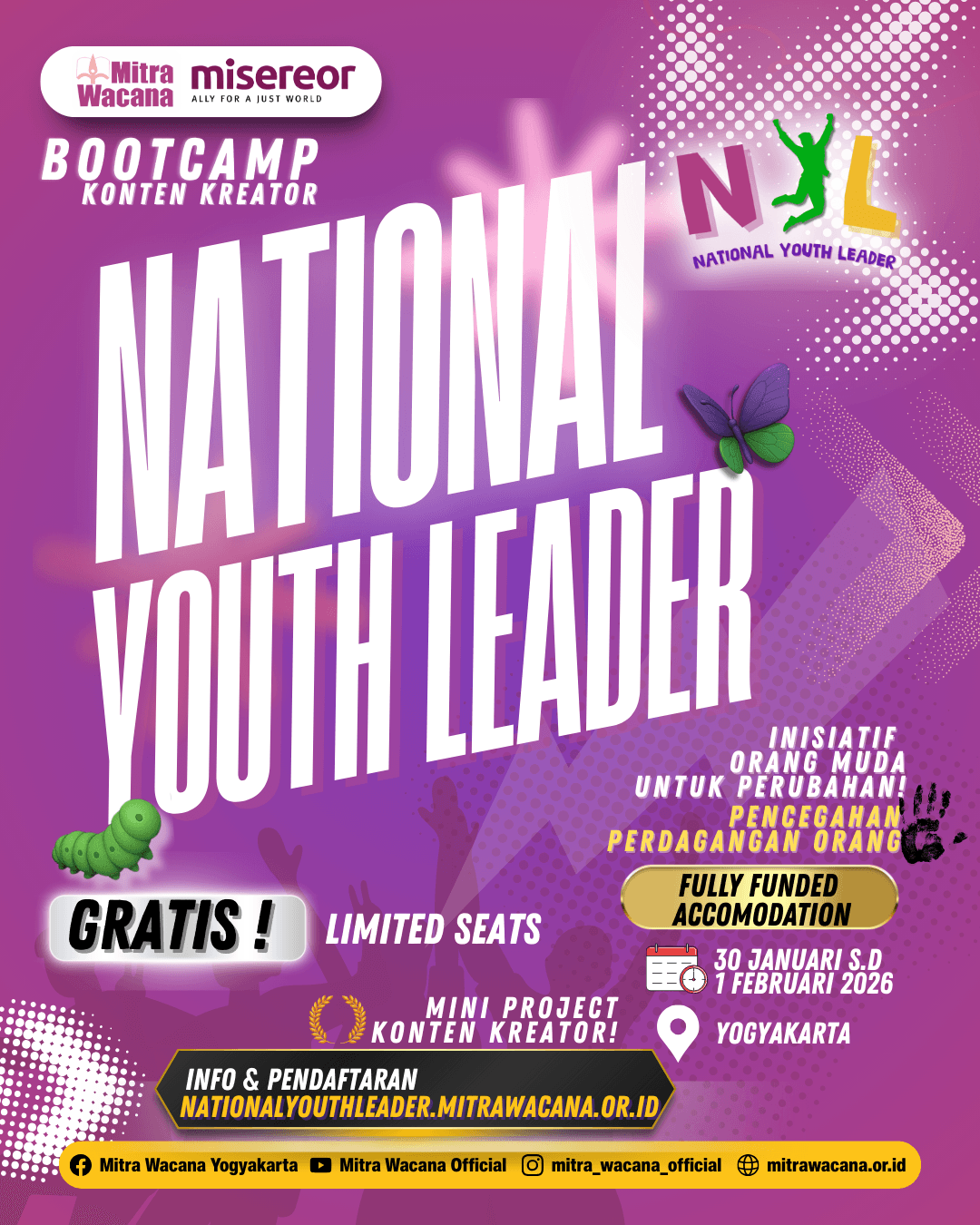
Advertisement NYL2026
Advertisement
Advertisement

Twitter

Trending