Rilis
Seberapa Pentingkah Ujian Nasional?

Published
13 years agoon
By
Mitra Wacana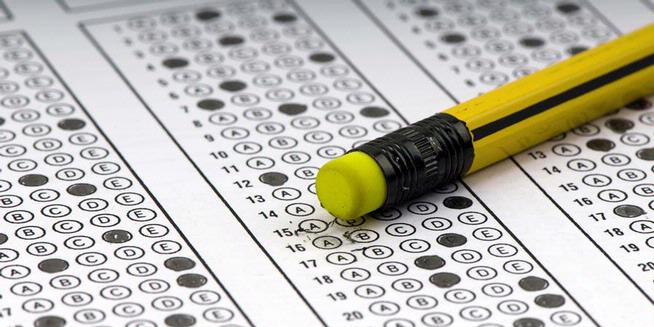
Ujian nasional atau sering disingkat dengan UN adalah sistem evaluasi standar pendidikan dasar dan menengah secara nasional dan persamaan mutu tingkat pendidikan antar daerah yang dilakukan oleh Pusat Penilaian Pendidikan, Depdiknas di Indonesia berdasarkan Undang-Undang Republik Indonesia nomor 20 tahun 2003 menyatakan bahwa dalam rangka pengendalian mutu pendidikan secara nasional dilakukan evaluasi sebagai bentuk akuntabilitas penyelenggara pendidikan kepada pihak-pihak yang berkepentingan. Lebih lanjut dinyatakan bahwa evaluasi dilakukan oleh lembaga yang mandiri secara berkala, menyeluruh, transparan, dan sistematik untuk menilai pencapaian standar nasional pendidikan dan proses pemantauan evaluasi tersebut harus dilakukan secara berkesinambungan.
Namun tujuan UN bukan sekadar pemenuhan target kelulusan, tapi sebagai tolak ukur mutu pendidikan di sekolah. Selama ini UN hanya sebatas memenuhi target, sehingga menjelang ujian disibukkan dengan program bimbingan belajar dan pelatihan soal-soal yang diuji. Artinya, sistem pendidikan sekarang ini telah mengabaikan tujuan yang sebenarnya, yakni meningkatkan kecerdasan pelajar baik sebelum maupun setelah menyelesaikan studinya. Parahnya lagi, ketika UN menjadi satu-satunya standar kelulusan yang diatur dalam Peraturan Pemerintah No.19/2005 tentang standar pendidikan nasional, prestasi pendidikan bukannya membaik, malah dalam indeks pendidikan dunia terus menurun. Menurunnya indeks pendidikan Indonesia di tingkat dunia itu diketahui berdasarkan laporan terbaru UNESCO badan Perserikatan Bangsa-Bangsa yang membidangi pendidikan dan kebudayaan.
Hal ini menunjukkan pelaksanaan UN gagal karena dijadikan satu-satunya standar keluluran pelajar semua sekolah seluruh negeri ini dan bukan seperti sebelum lahirnya peraturan standar tersebut. “Penilaian kemampuan siswa mencakup tiga aspek, pengetahuan, keterampilan dan sikap. Penentuan kelulusan harus diserahkan kepada guru di sekolah. Guru orang yang mengetahui kondisi anak didiknya,” ungkap salah satu pakar pendidikan UI. Bekal utama yang diperlukan agar anak-anak mampu bersaing dalam dunia yang terus bergerak maju dan mengglobal adalah kemampuan berpikir logis. Namun, pendidikan di Indonesia justru cenderung mengabaikan kemampuan bernalar itu.
Mulai tahun ajaran 2013/2014, ujian nasional sekolah dasar (SD) resmi ditiadakan. Hal ini diperkuat dengan Peraturan Pemerintah (PP) No 32 Tahun 2013 tentang Perubahan atas PP No 19 Tahun 2005 tentang Standar Nasional Pendidikan (SNP) yang ditandatangani Presiden Republik Indonesia pada pekan lalu. Dengan demikian, mulai tahun depan anak-anak SD tidak lagi akan direpotkan dengan UN. Namun, UN jenjang SMP dan SMA tetap akan ada seperti biasa. Penghapusan ini ada kaitannya dengan program wajib belajar 9 tahun dan kurikulum 2013 yang akan segera diterapkan pada pertengahan Juli ini.
Direktur Pembinaan Sekolah Dasar Kementerian Pendidikan dan Kebudayaan Ibrahim Bafadal mengatakan, meski UN ini ditiadakan, bukan berarti tidak ada alat evaluasi bagi anak-anak yang duduk di bangku SD ini untuk ke jenjang selanjutnya. Format evaluasinya nanti bisa dikerjakan oleh daerah. Yang pasti penghapusan UN ini tidak akan menghilangkan sistem evaluasi pada jenjang pendidikan dasar tersebut. Pasalnya, di tiap jenjang pendidikan memang harus terdapat sistem evaluasi.
*Dari berbagai sumber

You may like


Berita
Bioskop Rakyat Fest #03 Sukses Digelar di Demangrejo: Padukan Seni Budaya, Kampanye Anti-Perdagangan Orang, dan Pemberdayaan Desa
Published
17 hours agoon
24 August 2026By
Mitra Wacana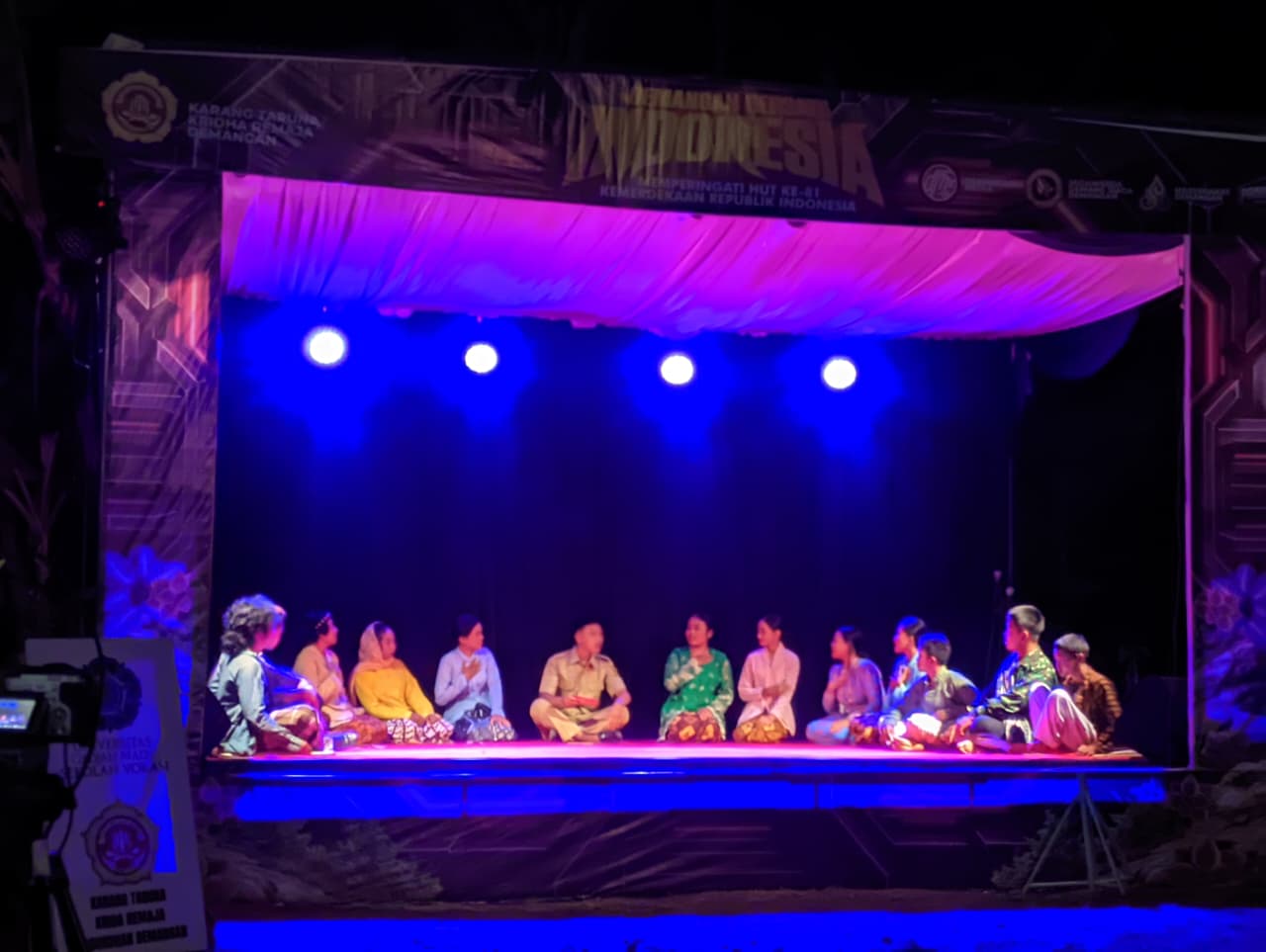
KULON PROGO, 22 AGUSTUS 2026 – Padukuhan Demangan, Kalurahan Demangrejo, Kapanewon Sentolo, Kabupaten Kulon Progo, kembali sukses menggelar perhelatan akbar tahunan Bioskop Rakyat Fest #03 pada Sabtu, 22 Agustus 2026. Mengusung tema Demangan Bersatu Indonesia: Bioskop Rakyat Fest #03 Sinergi Desa Kolaborasi & Karya dari Karang Taruna, Akademisi, dan Organisasi Masyarakat Sipil. Festival ini menjadi ajang unjuk kreativitas warga sekaligus wahana edukasi yang kuat mengenai pencegahan Tindak Pidana Perdagangan Orang (TPPO) dan Semangat Nasionalisme dalam rangkaian Kemerdekaan RI ke-81.
Acara yang dipusatkan di halaman rumah Dukuh Demangan, Bapak Heriyanto, ini diselenggarakan oleh Karang Taruna Krida Remaja dan Demangan Media Channel (DMC), yang berkolaborasi erat dengan Program Pengabdian Masyarakat Sekolah Vokasi Universitas Gadjah Mada (UGM) dan lembaga swadaya masyarakat Mitra Wacana.
Dari Panggung Hiburan hingga Pesan Moral Kemanusiaan Bioskop Rakyat Fest #03 menghadirkan beragam rangkaian acara lintas generasi yang sangat menghibur, mulai dari penampilan Tari Semut oleh anak-anak TK dan PAUD, Tari Perahu Layar, hingga aksi panggung “Nyentrik Demangan Squad” yang dibawakan oleh ibu-ibu Padukuhan Demangan.
Puncak kesenian malam itu adalah pementasan drama teater bertajuk “Surat Soko Tahun 2045” garapan Wulan Karangtaruna Krida Remaja Padukuhan Demangan sekaligus Mahasiswi ISI Yogyakarta. Drama ini sukses memukau dan menyentuh hati penonton dengan pesan mendalam tentang pentingnya menjaga semangat gotong royong, guyub rukun, dan kepedulian antarwarga di tengah arus modernisasi dan individualisme yang semakin deras. Yang dibawakan pemuda-pemudi karang taruna Demangan dengan koreografi, visual dan tata suara profesional.
Kampanye “Menungso Ora Didol” (Manusia Tidak Untuk Dijual) Lebih dari sekadar hiburan, Bioskop Rakyat Fest #03 menjadi medium strategis penyampaian edukasi masyarakat. Bekerja sama dengan Mitra Wacana, panitia memutar karya film lokal dari Demangan Media (DMC) yang mengangkat isu toleransi dan pencegahan perdagangan orang bagi calon pekerja migran.
Robi Setiyawan, perwakilan dari Mitra Wacana dalam sambutannya menekankan pentingnya kewaspadaan masyarakat terhadap iming-iming lowongan kerja ke luar negeri dengan gaji fantastis. “Program kita adalah pencegahan perdagangan orang, supaya anak-anak muda kita terhindar dari penipuan calo lowongan kerja ilegal. Intinya, menungso ora didol (manusia tidak untuk dijual). Jika ada tawaran pekerjaan ke luar negeri, pastikan untuk mengecek legalitasnya ke kelurahan atau Pak Jogoboyo terlebih dahulu, jangan berangkat secara unprosedural,” tegas Robi.
Sinergi dan Kemandirian Desa Penggagas Bioskop Rakyat Fest #03, Aji Saputra sekaligus Jogoboyo Kalurahan Demangrejo, dalam sambutannya menyampaikan apresiasi setinggi-tingginya kepada seluruh pihak yang telah mendukung jalannya acara. “Terima kasih kepada Sekolah Vokasi Universitas Gadjah Mada dan Mitra Wacana yang terus mendukung dan mendampingi, serta seluruh warga Padukuhan Demangan. Harapan kami, melalui ajang ini, pemuda-pemudi Demangan dapat terus berprestasi dan membawa hal positif bagi desa kita,” ujarnya.
Ajang ini juga menjadi bukti keberhasilan pendampingan Sekolah Vokasi UGM dalam mengedukasi warga terkait manajemen acara (event management) dan pemasaran UMKM. Sepanjang acara, berbagai stand UMKM lokal Demangan turut meramaikan panggung dan menghidupkan roda ekonomi warga, menjadikan Bioskop Rakyat ini sepenuhnya mandiri dan berdaya.
Menutup kemeriahan malam, Bioskop Rakyat Fest #03 memberikan kejutan inovatif berupa suguhan musik pamungkas dari DJ VWXYZ dan DJ Sastro (Sastrologi). Suguhan ini membuktikan bahwa kreativitas dan acara tingkat dusun mampu dikemas secara profesional, kreatif, dan kekinian.



Bioskop Rakyat Fest #03 Sukses Digelar di Demangrejo: Padukan Seni Budaya, Kampanye Anti-Perdagangan Orang, dan Pemberdayaan Desa

Beri Jalan Ulama Perempuan dalam Keanggotaan AHWA di Muktamar 3