Publikasi
Kunjungi Mitra Wacana, Eni Lestari Bahas Pendampingan Bagi Mantan Pekerja Migran Indonesia

Published
1 year agoon
By
Mitra Wacana
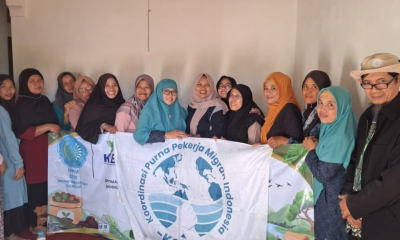
Yogyakarta, 27 Februari 2025 – Eni Lestari dari Jaringan Buruh Migran Indonesia (JBMI), bersama tiga perempuan anggota Koordinasi Purna Pekerja Migran Indonesia (KOPPMI) DIY mengunjungi kantor Mitra Wacana pada Kamis (27/2) pukul 10.00 – 12.30 WIB. Dalam pertemuan ini, mereka mendiskusikan rencana kolaborasi pendampingan bagi mantan pekerja migran di Daerah Istimewa Yogyakarta (DIY).
Eni menyampaikan ingin memperkuat pendampingan bagi para mantan pekerja migran agar mereka dapat beradaptasi kembali setelah sekian lama bekerja di luar negeri.
“Jadi pengalaman kami, ketika mereka pulang ke daerah asal kerap distigma dan dianggap sukses, dan sering dibedakan”. Ungkap Eni.
Sulastri, salah satu anggota KOPPMI Kulon Progo yang turut hadir, menyikapi berbagai permasalahan yang dihadapi para mantan pekerja migran saat kembali ke daerah asal mereka. Ia menegaskan pentingnya memiliki ruang berbagi agar mereka merasa diterima kembali oleh masyarakat.
“Ketika pekerja migran pulang ke daerahnya, mereka membutuhkan rekan untuk berbagi pengalaman dan mendapatkan dukungan. Tanpa itu, mereka bisa merasa terasing di tempat sendiri,” ujar Sulastri.
Menurut Eni Lestari, proses reintegrasi sosial menjadi aspek penting yang perlu diperhatikan dalam mendukung mantan pekerja migran. Oleh karena itu, pemetaan kebutuhan mereka menjadi langkah awal dalam merancang program pendampingan yang tepat.
Dari Mitra Wacana, pertemuan ini dihadiri oleh Mona Iswandari dari Divisi Penelitian dan Advokasi serta Wahyu Tanoto selaku ketua. Tanoto menyambut baik gagasan kolaborasi ini, mengingat Mitra Wacana juga memiliki program serupa di Kulon Progo.
“Kami sangat terbuka untuk berkolaborasi dalam pendampingan mantan pekerja migran. Kami juga membutuhkan mitra untuk merawat komunitas,” ujar Tanoto.
Mitra Wacana sendiri telah melakukan pendataan terhadap pekerja migran di sembilan kelurahan dampingan. Dari hasil pendataan, tercatat lebih dari 200 pekerja migran, beberapa di antaranya masih belum ada kabar hingga saat ini.
“Ini menjadi tantangan tersendiri bagi kami. Beberapa pekerja migran yang kembali ke tanah air menghadapi berbagai dinamika, dan ada juga yang belum diketahui keberadaannya,” ungkap Mona.
Pertemuan ini berlangsung dalam suasana akrab, dengan selingan humor yang mencairkan diskusi. Kedua lembaga sepakat untuk menindaklanjuti pembahasan ini dalam pertemuan lanjutan yang dijadwalkan pada 15 Maret 2025.
“Kami berharap pertemuan selanjutnya dapat merancang langkah konkret untuk mendukung mantan pekerja migran agar paham hak-haknya dan diterima kembali di masyarakat,” pungkas Eni Lestari. (Wtn)

You may like


Berita
Beri Jalan Ulama Perempuan dalam Keanggotaan AHWA di Muktamar 3
Published
3 days agoon
20 August 2026By
Mitra Wacana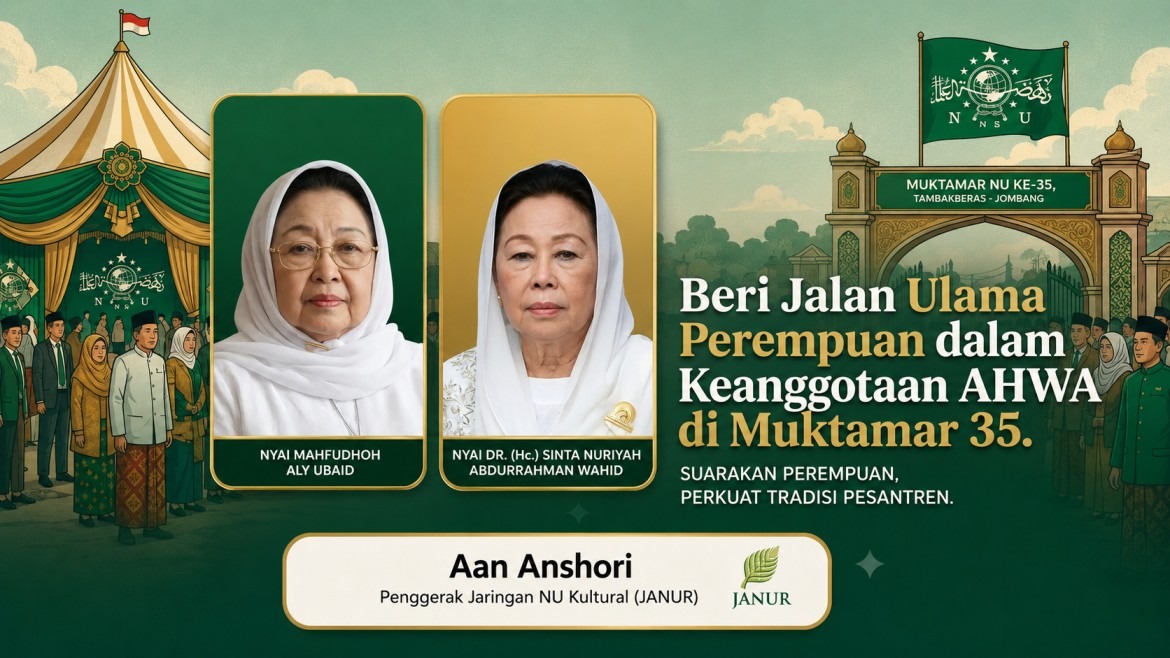
———-
Rilis Jaringan NU Kultural (JANUR)
*”Beri Jalan Ulama Perempuan dalam Keanggotaan AHWA di Muktamar 35″*
Muktamar ke-35 Nahdlatul Ulama di Tambakberas, Jombang, merupakan momentum terbaik untuk memberi ruang yang lebih luas bagi ulama perempuan dalam struktur pengambilan keputusan tertinggi organisasi.
Salah satu ruang tersebut adalah Ahlul Halli wal Aqdi (AHWA), forum yang memiliki posisi strategis, khususnya dalam menentukan kepemimpinan Rais Aam PBNU.
Sejak mekanisme AHWA digunakan dalam Muktamar NU 33, seluruh anggota AHWA yang terpilih adalah laki-laki. Kondisi ini layak dikaji kembali, terutama karena tidak terdapat ketentuan yang secara eksplisit menyatakan bahwa anggota AHWA harus laki-laki.
AHWA semestinya diisi berdasarkan kapasitas keilmuan, integritas, keteladanan, pengabdian, pengaruh, dan kemampuan menjaga kemaslahatan jam’iyah. Jika ukuran tersebut menjadi dasar, maka kesempatan bagi ulama perempuan untuk menjadi bagian dari sembilan anggota AHWA seharusnya terbuka.
Kita tahu NU memiliki tradisi panjang dalam melahirkan ulama perempuan. Mereka tidak hanya aktif dalam Muslimat NU, pesantren, pendidikan, dan pelayanan sosial, tetapi juga berkontribusi dalam pengembangan pemikiran keislaman dan kehidupan kebangsaan.
JANUR meyakini setidaknya ada dua ulama perempuan memiliki kualifikasi di atas.
Pertama, Nyai Dr. (Hc.) Sinta Nuriyah Abdurrahman Wahid; selama puluhan tahun beliau menyuarakan penghormatan terhadap martabat manusia, kesetaraan, dan kehidupan beragama yang inklusif. Pengabdiannya menunjukkan bahwa otoritas keagamaan dan moral perempuan telah menjadi bagian penting dari kehidupan NU dan masyarakat Indonesia. Beliau juga masuk dalam kepengurusan Musytasyar PBNU beberapa periode.
Kedua, Nyai Hj. Machfudhoh Aly Ubaid, ulama perempuan senior yang tumbuh dari tradisi pesantren dan keluarga besar pendiri NU. Putri KH Abdul Wahab Chasbullah ini memiliki pengalaman panjang dalam pendidikan pesantren dan perjuangan NU. Hingga hari ini beliau tetap menjadi rujukan penting di lingkungan NU dan juga tercatat sebagai Mustasyar PBNU.
Kedua tokoh tersebut menunjukkan bahwa NU memiliki sumber daya keulamaan perempuan yang tidak dapat dipandang sebagai pelengkap.
Memberi ruang kepada ulama perempuan dalam AHWA bukan semata-mata persoalan keterwakilan berdasarkan jenis kelamin. Ini merupakan bagian dari upaya memperluas perspektif keulamaan dalam pengambilan keputusan jam’iyah.
Kehadiran ulama perempuan dapat memperkaya pertimbangan keagamaan, sosial, pendidikan, keluarga, dan kemasyarakatan yang dihadapi NU.
Karena itu, Muktamar ke-35 NU di Tambakberas perlu membuka jalan bagi ulama perempuan untuk menjadi bagian dari sembilan anggota AHWA.
Jika kualifikasi AHWA ditentukan oleh ilmu, integritas, keteladanan, pengabdian, dan kemampuan menjaga kemaslahatan NU, maka ulama perempuan yang memenuhi kualifikasi tersebut semestinya mempunyai kesempatan yang sama.
Sudah waktunya NU tidak hanya berbicara tentang pentingnya peran ulama perempuan, tetapi juga memberikan ruang nyata kepada mereka dalam forum strategis pengambilan keputusan organisasi, termasuk dalam 9 anggota AHWA.
Jombang, 19 Agustus 2026.
Aan Anshori (089671597364)
Penggerak JANUR
Alumni Tambakberas (masuk 1988)