Rilis
Catatan Kecil, Peringatan Hari Buruh

Published
13 years agoon
By
Mitra Wacana
1 Mei adalah hari buruh Internasional. Dimana pada tanggal ini banyak sekali para buruh sedunia akan merayakannya. Dan tak terkecuali di Indonesia. Umumnya peringatan ini diisi dengan demonstrasi dan orasi sebagai cara memperjuangkan hak dan perlindungan pekerja. Ini merupakan bentuk ekspresi dalam alam demokrasi.
Setidaknya ada 5 tuntutan dari aksi tersebut :
1. Kenaikan upah
2. Menjadikan 1 Mei menjadi hari libur nasional
3. Penghapusan system outsourcing
4. Memberlakukan segera system jaminan social yang sudah diundangkan.
5. Syahkan RUU PRT
Sejak 15 tahun yang lalu, Indonesia telah meratifikasi konvensi ILO No. 87 tentang kebebasan berserikat buruh. Banyak hal positif positif yang dicapai oleh gerakan buruh Indonesia, meskipun di sisi lain masih banyak membutuhkan perbaikan.
Dari sekian banyak persoalan buruh, isu yang paling menarik direnungkan, masih banyak tindak kejahatan seksual yang kerap diterima oleh para buruh wanita. Di Jakarta, terdapat sekitar 80.000 orang buruh. Sebanyak 90 persen dari angka tersebut merupakan buruh wanita dan 75 persen buruh wanita yang ada di Jakarta telah mengalami kekerasan seksual.
Dari catatan tahunan yang dikeluarkan oleh Komnas Perempuan tahun 2012, terdapat 216.156 kasus kekerasan seksual. Di antaranya diterima oleh buruh wanita sebanyak 2.521. Angka itu berdasar kepada buruh wanita yang melaporkan kejadian yang dialaminya. dan persoalan kekerasan terhadap buruh perempuan itu ibaratnya seperti gunung es. Harapan kita semua dengan peringatan may day ini, kasus kekerasan terhadap buruh bisa menurun. dan kesejahteraan buruh meningkat. Hidup Buruh, perjuangan masih panjang.

You may like

Berita
Beri Jalan Ulama Perempuan dalam Keanggotaan AHWA di Muktamar 3
Published
3 days agoon
20 August 2026By
Mitra Wacana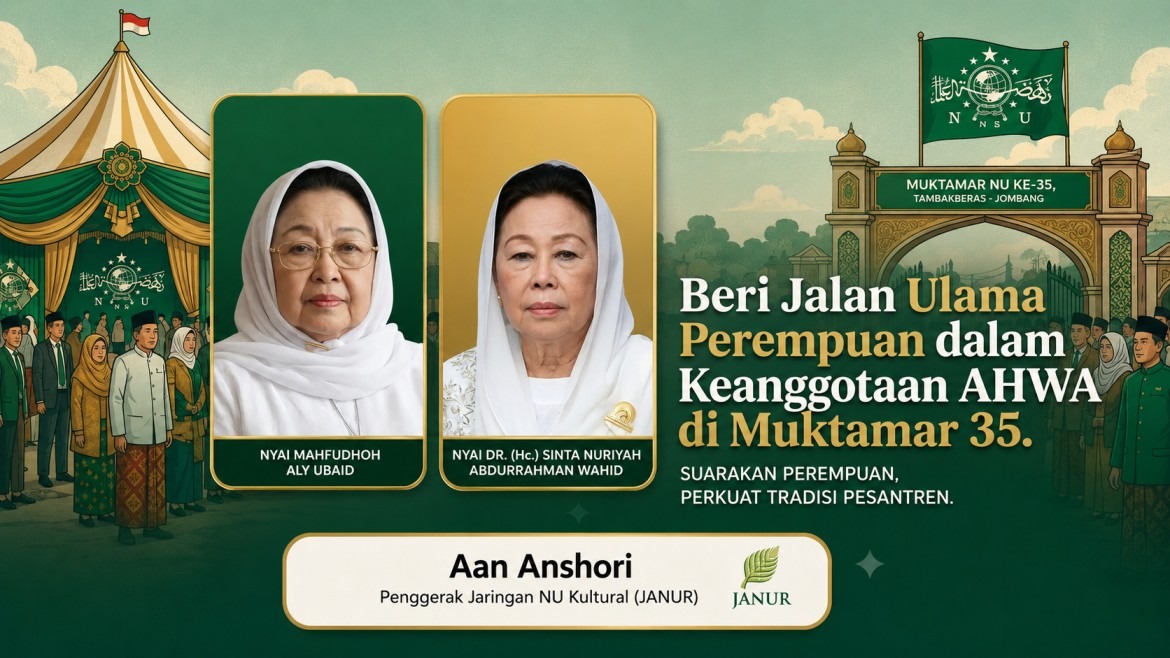
———-
Rilis Jaringan NU Kultural (JANUR)
*”Beri Jalan Ulama Perempuan dalam Keanggotaan AHWA di Muktamar 35″*
Muktamar ke-35 Nahdlatul Ulama di Tambakberas, Jombang, merupakan momentum terbaik untuk memberi ruang yang lebih luas bagi ulama perempuan dalam struktur pengambilan keputusan tertinggi organisasi.
Salah satu ruang tersebut adalah Ahlul Halli wal Aqdi (AHWA), forum yang memiliki posisi strategis, khususnya dalam menentukan kepemimpinan Rais Aam PBNU.
Sejak mekanisme AHWA digunakan dalam Muktamar NU 33, seluruh anggota AHWA yang terpilih adalah laki-laki. Kondisi ini layak dikaji kembali, terutama karena tidak terdapat ketentuan yang secara eksplisit menyatakan bahwa anggota AHWA harus laki-laki.
AHWA semestinya diisi berdasarkan kapasitas keilmuan, integritas, keteladanan, pengabdian, pengaruh, dan kemampuan menjaga kemaslahatan jam’iyah. Jika ukuran tersebut menjadi dasar, maka kesempatan bagi ulama perempuan untuk menjadi bagian dari sembilan anggota AHWA seharusnya terbuka.
Kita tahu NU memiliki tradisi panjang dalam melahirkan ulama perempuan. Mereka tidak hanya aktif dalam Muslimat NU, pesantren, pendidikan, dan pelayanan sosial, tetapi juga berkontribusi dalam pengembangan pemikiran keislaman dan kehidupan kebangsaan.
JANUR meyakini setidaknya ada dua ulama perempuan memiliki kualifikasi di atas.
Pertama, Nyai Dr. (Hc.) Sinta Nuriyah Abdurrahman Wahid; selama puluhan tahun beliau menyuarakan penghormatan terhadap martabat manusia, kesetaraan, dan kehidupan beragama yang inklusif. Pengabdiannya menunjukkan bahwa otoritas keagamaan dan moral perempuan telah menjadi bagian penting dari kehidupan NU dan masyarakat Indonesia. Beliau juga masuk dalam kepengurusan Musytasyar PBNU beberapa periode.
Kedua, Nyai Hj. Machfudhoh Aly Ubaid, ulama perempuan senior yang tumbuh dari tradisi pesantren dan keluarga besar pendiri NU. Putri KH Abdul Wahab Chasbullah ini memiliki pengalaman panjang dalam pendidikan pesantren dan perjuangan NU. Hingga hari ini beliau tetap menjadi rujukan penting di lingkungan NU dan juga tercatat sebagai Mustasyar PBNU.
Kedua tokoh tersebut menunjukkan bahwa NU memiliki sumber daya keulamaan perempuan yang tidak dapat dipandang sebagai pelengkap.
Memberi ruang kepada ulama perempuan dalam AHWA bukan semata-mata persoalan keterwakilan berdasarkan jenis kelamin. Ini merupakan bagian dari upaya memperluas perspektif keulamaan dalam pengambilan keputusan jam’iyah.
Kehadiran ulama perempuan dapat memperkaya pertimbangan keagamaan, sosial, pendidikan, keluarga, dan kemasyarakatan yang dihadapi NU.
Karena itu, Muktamar ke-35 NU di Tambakberas perlu membuka jalan bagi ulama perempuan untuk menjadi bagian dari sembilan anggota AHWA.
Jika kualifikasi AHWA ditentukan oleh ilmu, integritas, keteladanan, pengabdian, dan kemampuan menjaga kemaslahatan NU, maka ulama perempuan yang memenuhi kualifikasi tersebut semestinya mempunyai kesempatan yang sama.
Sudah waktunya NU tidak hanya berbicara tentang pentingnya peran ulama perempuan, tetapi juga memberikan ruang nyata kepada mereka dalam forum strategis pengambilan keputusan organisasi, termasuk dalam 9 anggota AHWA.
Jombang, 19 Agustus 2026.
Aan Anshori (089671597364)
Penggerak JANUR
Alumni Tambakberas (masuk 1988)